
Feet: The “Wheels” of Your Body’s Movement
When we think about movement, we often focus on muscles, joints, or posture. But there’s one part of the body that quietly does the hardest work of all—your feet. Much like wheels on a vehicle, your feet support your weight, absorb shock, adapt to terrain, and propel you forward every single day.
Yet, they’re often the most overlooked part of the body—until something goes wrong.
🦶 The Foundation of the Body
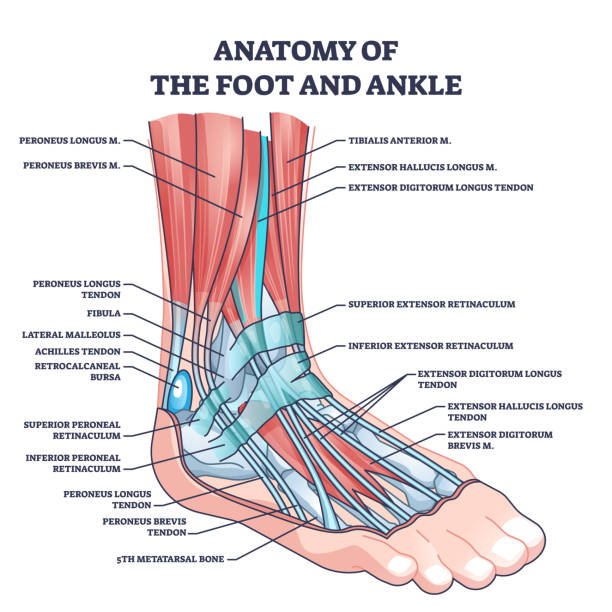
Your feet are your body’s base of support. Each foot contains:
- 26 bones
- 33 joints
- Over 100 muscles, tendons, and ligaments
Together, they form a dynamic structure that keeps you balanced and upright.

🚶 Movement Starts at the Feet
Every step you take begins with your feet making contact with the ground. They:
- Absorb impact when your heel strikes
- Stabilize your body during mid-stance
- Push off to move you forward
If your feet aren’t functioning properly, the effects can travel upward—impacting your ankles, knees, hips, and even your spine.

🧠 Smart Adaptors to Any Surface
Unlike wheels, feet are incredibly intelligent. They constantly adapt to:
- Uneven ground
- Slopes and stairs
- Soft or hard surfaces
Thousands of nerve endings provide feedback to your brain, helping you adjust balance and coordination in real time.
⚖️ Arches: Nature’s Shock Absorbers
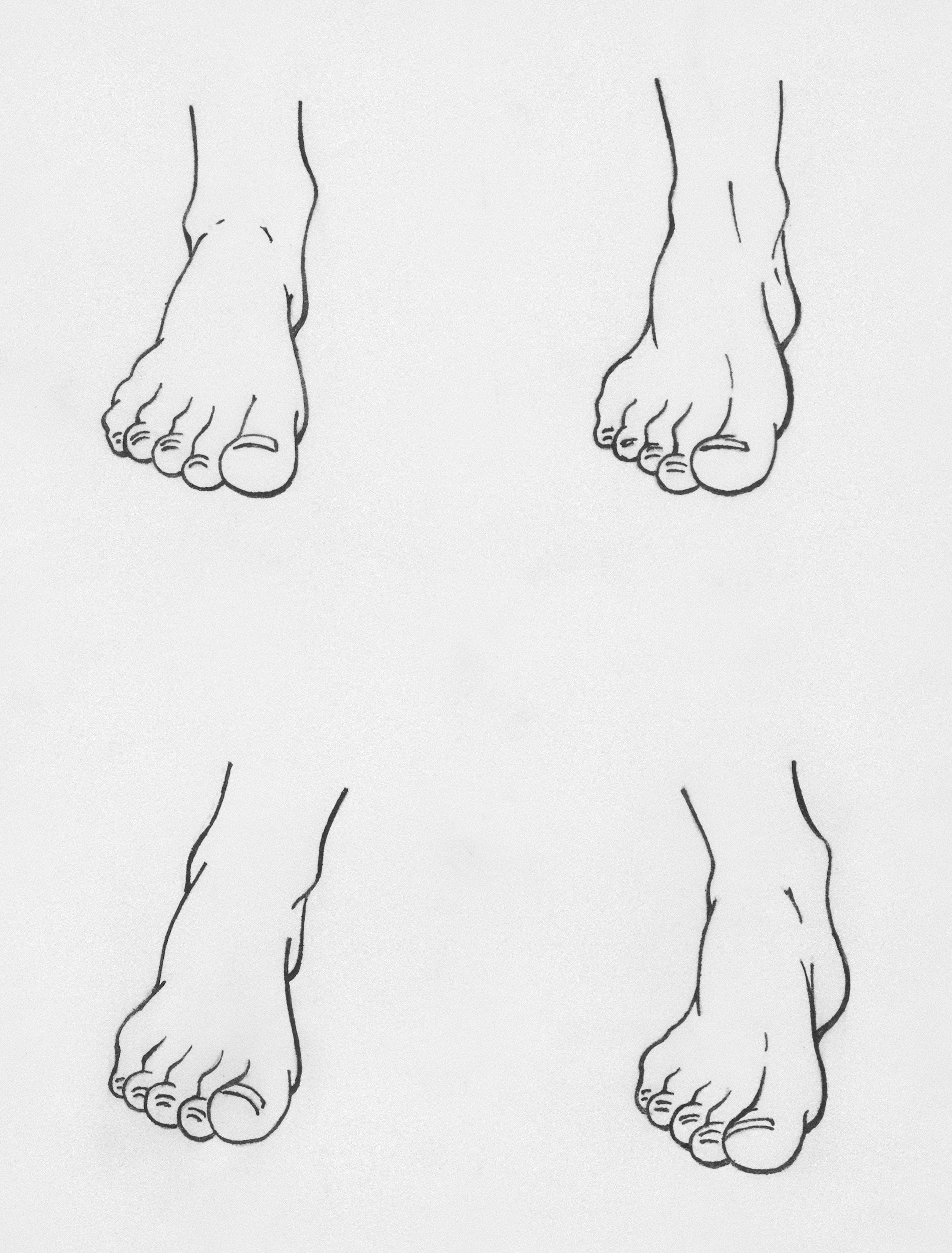
Your foot arches act like springs, storing and releasing energy with every step. Healthy arches:
- Reduce stress on joints
- Improve efficiency of movement
- Protect against overuse injuries
When arches collapse or become overly rigid, movement becomes less efficient—like driving on damaged wheels.
👟 Foot Health = Whole-Body Health
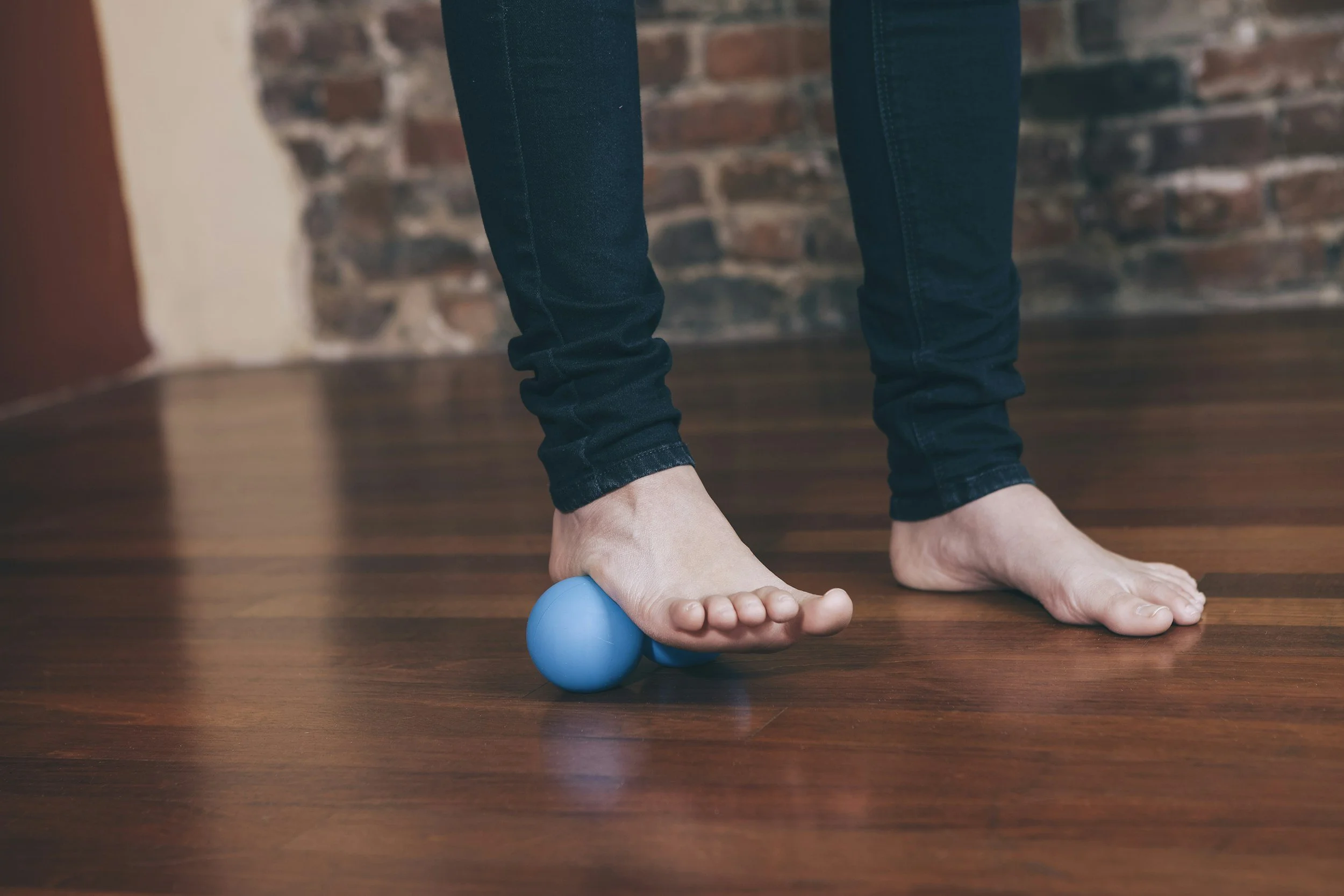
Pain in the feet is often linked to problems elsewhere. Common issues like plantar fasciitis, bunions, or poor footwear can lead to:
- Altered walking patterns
- Muscle imbalances
- Chronic pain up the kinetic chain
Caring for your feet means caring for your entire body.
🛠️ Keep Your “Wheels” in Top Shape
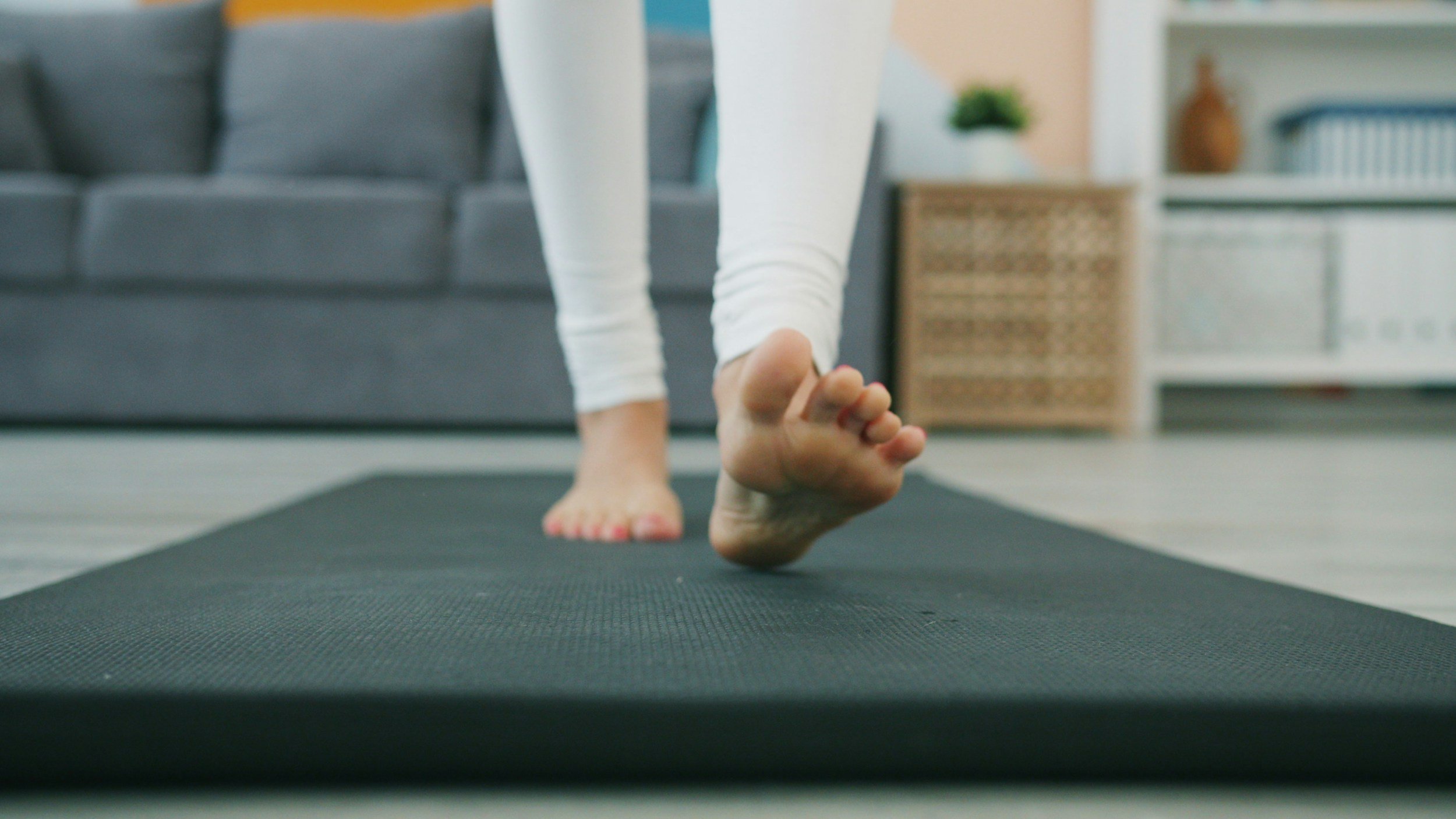
Just like wheels need maintenance, so do your feet:
- Wear supportive, well-fitting shoes
- Strengthen foot and ankle muscles
- Stretch regularly
- Pay attention to pain—don’t ignore it
Healthy feet keep you moving efficiently, comfortably, and confidently.
Strategies to Improve Alignment
Improving your body's alignment starts from the ground up. Here are four strategies to keep your "wheels" balanced:
1. Activate Your "Tripod"
Stability begins with even weight distribution across three points of each foot: the heel, the ball of the foot under the big toe, and the ball under the pinky toe.
Strategy: Practice standing on this "tripod" while brushing your teeth. This simple awareness prevents leaning too far onto your heels or arches, which re-energizes your posture and stabilizes the knees.
2. Master the "Short Foot" Exercise
This exercise targets the intrinsic muscles that support your arches.
How-to: While seated or standing, try to pull the ball of your foot toward your heel without curling your toes. This "doming" action strengthens the arch and prevents the "wheels" from collapsing inward.
3. Restore Ankle Mobility
A stiff ankle limits the subtalar joint's ability to steer correctly.
Strategy: Try "Dorsi-Rocking." While standing, rock back onto your heels with your toes lifted (dorsiflexion). This movement has a "prying" effect that releases the hip capsules and activates the pelvic floor, improving alignment all the way up the spine.
4. Mindful Walking Mechanics
Your gait is how your wheels interact with the road.
Strategy: Focus on a "heel-to-toe" roll. Ensure your heel lands squarely, the weight rolls through the ball, and you push off firmly with your big toe. Avoid walking with toes pointed out in a "V" shape, as this creates excessive strain on the ankle's soft tissues.
Consider a professional evaluation for custom orthotics, which act like a precision wheel alignment for your feet, supporting your arches and reducing strain on the entire kinetic chain.
Here are some exercises that you can take home:
1. Toe Yoga (Toe Isolation)
This builds neuromuscular control by separating the movements of your big toe from the others.
Big Toe Lift: Keep your smaller toes flat and lift only your big toe.
Small Toe Lift: Keep your big toe pressed down and lift only the smaller toes.
Goal: Do 10–15 repetitions per side to stabilize the arch's "steering" mechanism.
2. The Arch Lift (Towel Scrunch Variation)
Standard towel scrunches strengthen the bottom of the foot, but the 2026 focus is on Arch Lifts to prevent pronation.
The Move: Sit or stand with feet flat. Without curling your toes, attempt to pull the ball of your foot toward your heel, "doming" the arch upward.
Alignment Tip: Ensure your weight stays centered on the "tripod" (heel, big toe ball, and pinky toe ball).
3. Toe Splaying (Toe Spreading)
Shoes often squeeze toes together, causing misalignment that affects your balance.
The Move: Sit with feet flat and spread your toes as wide as possible without straining.
Advanced: Loop a small rubber band around your toes for resistance.
Benefit: Improves control over toe muscles and helps manage bunion-related discomfort.
4. Precision Walking Drills
Correcting your gait "wheels" requires dynamic movement.
Heel-to-Toe Walk (Tightrope Walk): Walk in a straight line, placing the heel of your front foot directly in front of the toes of your back foot.
Walking on Outside Edges: To counteract flat feet/overpronation, walk briefly on the outer edges of your feet to train the arch.
Toe and Heel Walks: Spend 30 seconds walking only on your tiptoes, then 30 seconds walking only on your heels.
5. Proprioceptive Challenges
Alignment is also a brain-to-body connection.
Single-Leg Stance: Stand on one leg for 30–60 seconds. This forces the small stabilizer muscles in the foot and ankle to constantly "re-align" your center of gravity.
Sand Walking: If available, walking barefoot on sand is a premier 2026 recommendation for natural alignment because the soft surface demands constant micro-adjustments.
🦶 Final Thoughts
Your feet are more than just something that gets you from place to place—they are the wheels of your body’s movement system. When they work well, everything above them benefits. Give them the attention they deserve, and they’ll carry you smoothly through life.