
Lectins, Diet Dogma, and Human Adaptation: A More Balanced View of Nutrition
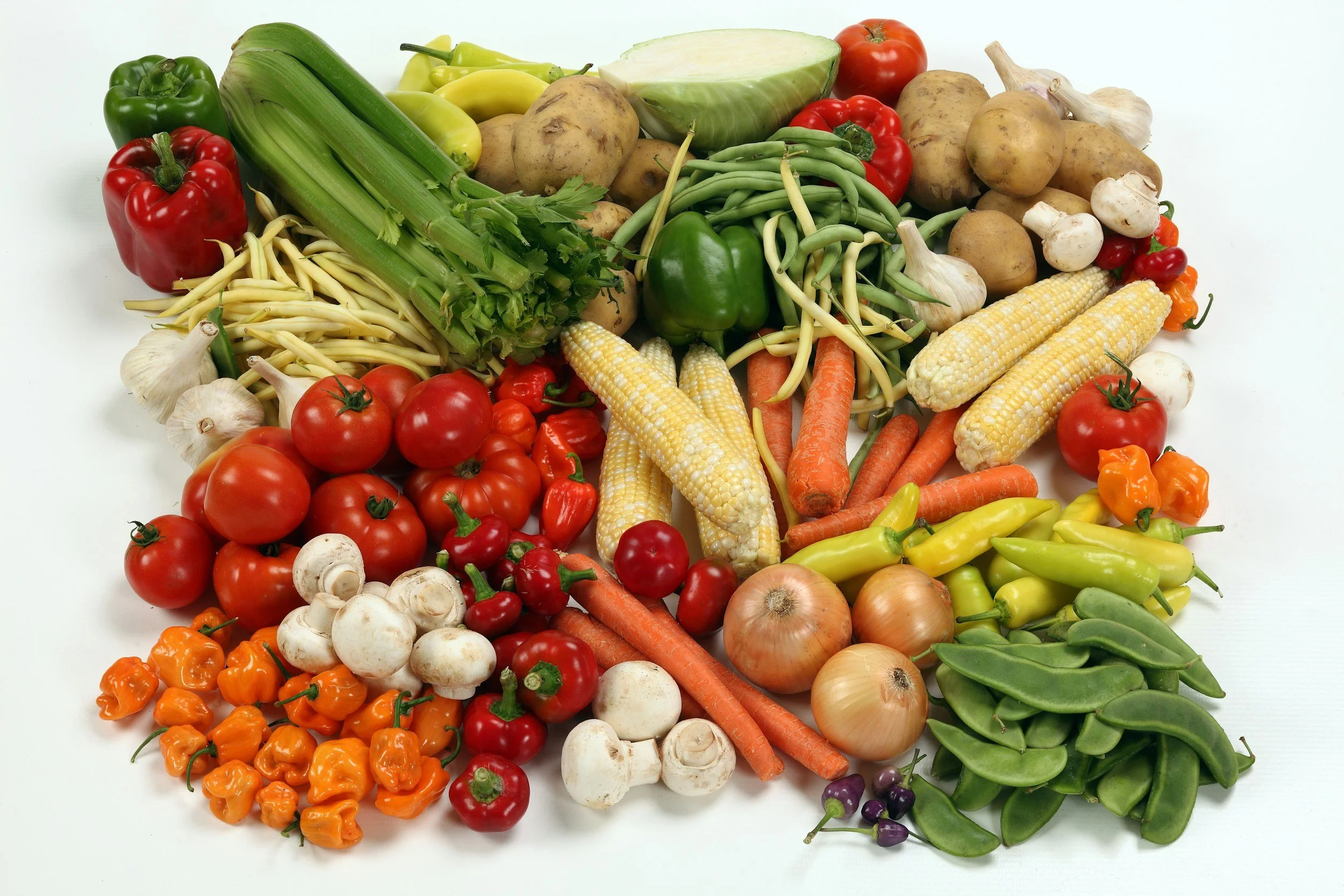
Nutrition has become one of the most confusing areas of modern health. One week a food is a “superfood,” the next it’s labeled inflammatory, toxic, or evolutionarily inappropriate. Few topics illustrate this better than the debate around lectins, popularized by Dr. Steven Gundry and others.
So what’s really going on? Are foods like oats, quinoa, beans, and tomatoes secretly harming us — or is the story more complicated?
What Are Lectins, Really?
Lectins are proteins found in many plants. From a botanical perspective, they act as defense mechanisms, discouraging animals from eating seeds or leaves before the plant can reproduce.
Dr. Gundry argues that lectins:
Damage the gut lining
Cause inflammation
Contribute to autoimmune disease and metabolic illness
Based on this, his diet recommends avoiding many staples: grains, legumes, nightshades, and most fruits.
At first glance, this sounds plausible. Plants do contain defensive compounds. But plausibility alone isn’t enough — especially when human history is taken into account.
The Evolutionary Question We Shouldn’t Ignore
Humans have been eating lectin-containing foods for thousands of years:
Grains and legumes: ~8,000–12,000 years
Nightshades like tomatoes and peppers: centuries across multiple cultures
This matters because evolution doesn’t stand still. Over time:
Our digestive enzymes adapt
Our gut microbiome co-evolves with foods
Our food preparation methods (cooking, soaking, fermenting) develop specifically to make foods safe and digestible
We know humans adapt to diet because we can see it clearly:
Lactase persistence for dairy digestion
Increased amylase genes for starch digestion
If lectins were broadly harmful in real-world diets, agricultural societies would not have flourished. Yet they did — and many thrived.
Cooking Changes Everything
One of the biggest gaps in lectin fear narratives is how food is actually eaten.
Most lectin-related harms come from:
Raw foods (e.g., raw kidney beans)
Isolated lectins in laboratory settings
Doses far beyond normal human consumption
In reality:
Cooking destroys 90–99% of lectins
Pressure cooking, soaking, and fermenting reduce them even further
Most remaining lectins are broken down during digestion in healthy individuals
This is why populations around the world have safely consumed beans, grains, and vegetables for generations.
Why Some People Feel Better on Lectin-Free Diets
This is where nuance matters.
Many people do feel better on diets like Gundry’s — but not necessarily because lectins were the problem.
Common reasons include:
Cutting out ultra-processed foods
Reducing excess sugar and refined carbohydrates
Eating more vegetables and healthy fats
Being more intentional and consistent
Additionally, some individuals genuinely need dietary restrictions:
Celiac disease
Active inflammatory bowel disease
Certain autoimmune flares
Specific food intolerances (often FODMAP-related, not lectins)
For these people, short-term elimination diets can be helpful — but that doesn’t mean lectins are universally harmful.
Where the Lectin Argument Breaks Down
The biggest issue with blaming lectins is that it conflicts with large-scale human data.
Foods highest in lectins — like legumes and whole grains — are consistently associated with:
Lower cardiovascular disease risk
Better blood sugar control
Longer lifespan
So-called Blue Zone populations, among the longest-lived people on Earth, eat beans daily.
Ironically, many plant compounds once labeled “toxins” are now understood as hormetic stressors — mild challenges that strengthen the body, much like exercise.
A More Useful Way to Think About Nutrition
Rather than asking:
“Is this food bad?”
A better question is:
“Does this food, prepared this way, work for this person?”
Human bodies are adaptable, but individual tolerance varies. Nutrition isn’t about purity or fear — it’s about context.
A balanced approach looks like:
Prioritizing whole, minimally processed foods
Cooking foods properly
Paying attention to personal response
Avoiding dogma — whether anti-lectin or pro-everything
Final Thoughts
Lectins aren’t villains, and plants aren’t trying to poison us. They’re part of a long co-evolutionary relationship between humans, food, and microbes.
Elimination diets can be tools — but they shouldn’t become permanent ideologies. The goal of nutrition isn’t restriction for its own sake; it’s nourishment, resilience, and sustainability.
Sometimes, the most radical thing we can do is eat real food… without fear.
References
Aune, D. et al. (2016). Legume consumption and risk of cardiovascular disease. AJCN.
Buettner, D. (2012). The Blue Zones. National Geographic.
Flint, H. et al. (2012). The role of the gut microbiota in nutrition and health. Nat Rev Gastroenterol Hepatol.
Gilani, G. et al. (2012). Effect of processing on antinutritional factors. J AOAC Int.
Mattson, M. (2008). Hormesis defined. Ageing Research Reviews.
Perry, G. et al. (2007). Diet and the evolution of human amylase gene copy number. Nat Genet.
Pusztai, A., & Bardocz, S. (2006). Biological effects of plant lectins. Trends Food Sci Technol.
Reynolds, A. et al. (2019). Carbohydrate quality and human health. The Lancet.
Van Damme, E. et al. (2008). Plant lectins: A composite of several distinct families. Glycoconjugate Journal.